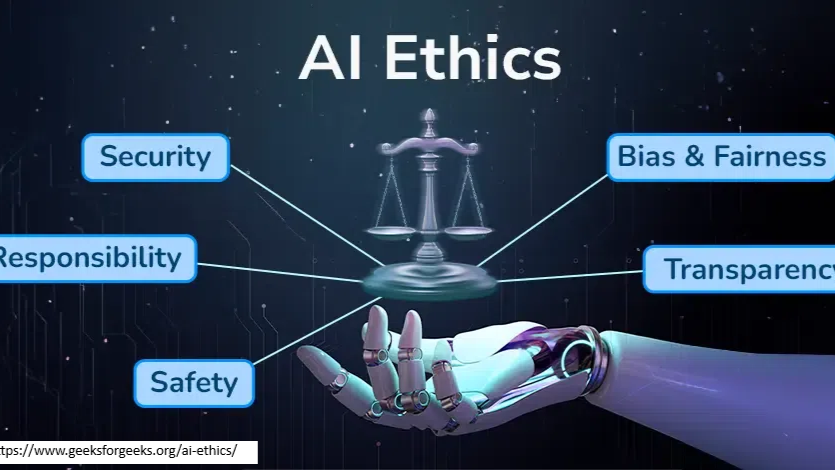
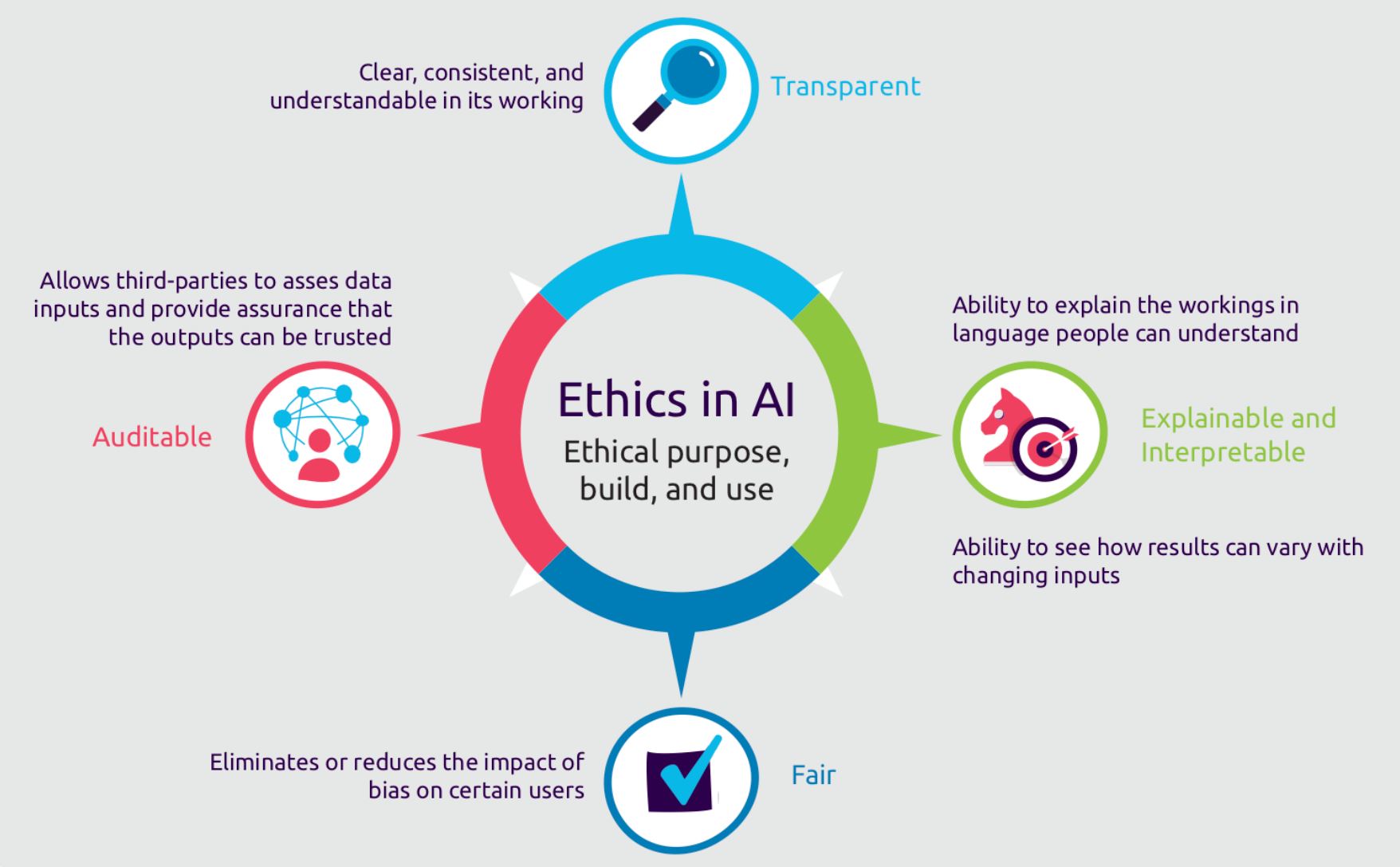
As we enter 2026, artificial intelligence (AI) stands at a pivotal inflection point. No longer confined to research labs or hype-driven demos, AI is embedding itself deeply into economies, societies, and daily lives. From agentic systems that act as digital colleagues to multimodal models bridging language, vision, and action, AI is shifting from experimentation to pragmatic, real-world deployment. Yet, this rapid evolution brings profound opportunities alongside ethical challenges and societal risks.
Current Advances and Trends
In 2025, breakthroughs like Google's Gemini 3 and Gemma 3 enhanced reasoning, multimodality, and efficiency. Entering 2026, the focus is on practicality: smaller, efficient models outperform massive ones in targeted tasks, while AI agents proliferate as teammates in workflows. Predictions highlight a rise in "world models" for robotics and physical AI, with robotaxis expanding (e.g., Waymo aiming for millions of rides weekly) and on-device AI reducing reliance on cloud servers.
Enterprise adoption is accelerating, with companies prioritizing centralized AI strategies for high-impact workflows. Revenue growth is explosive—OpenAI and Anthropic target billions—fueled by corporate spending exceeding $500 billion annually on AI infrastructure. However, experts foresee a transition from brute-force scaling to innovative architectures, with fine-tuned small language models becoming staples for cost-effective, domain-specific solutions.
Societal Impact: Benefits and Transformations
AI is reshaping daily life positively in many ways. In healthcare, AI diagnosticians achieve high accuracy in complex cases, while personalized education and predictive tools enhance accessibility. Productivity gains are evident in coding, customer service, and creative fields, where AI acts as a copilot rather than a replacement.
Broader societal benefits include sustainability optimizations, fraud detection in finance, and advancements in science via AI-driven research. By 2026, hybrid quantum-AI systems promise breakthroughs in intractable problems, from drug discovery to climate modeling. For billions, AI in wearables and assistants will make technology more intuitive and inclusive.
Yet, impacts are uneven. Job displacement looms for entry-level roles, though new opportunities emerge in AI oversight and human-AI orchestration. Economic growth may not skyrocket immediately—some predict modest GDP gains—but long-term transformation could rival the internet's influence.
Ethical Concerns and Risks
Despite progress, ethical dilemmas intensify. Bias in algorithms, privacy breaches, and misinformation from generative AI remain critical. Copyright infringements, hallucinations, and harmful content pose reputational and legal risks for businesses.
Deeper issues include AI's energy demands exacerbating environmental strain, potential for autonomous weapons, and questions of accountability in agentic systems. As AI integrates into governance and defense, regulatory tug-of-wars—between innovation and safety—will dominate, with calls for enforceable frameworks and human-in-the-loop oversight.
Looking Ahead: A Balanced Future
2026 will likely be the year AI moves from hype to pragmatism, with agents shining in enterprises and physical AI gaining traction. No artificial general intelligence (AGI) is imminent, but steady advances promise utility over spectacle.
The true measure of success will be responsible stewardship: elevating human roles, mitigating risks, and ensuring equitable benefits. As AI becomes a foundational force, society must actively shape its trajectory—fostering innovation while safeguarding ethics. The potential for a more efficient, creative, and compassionate world is immense, but it demands vigilance and collaboration today.